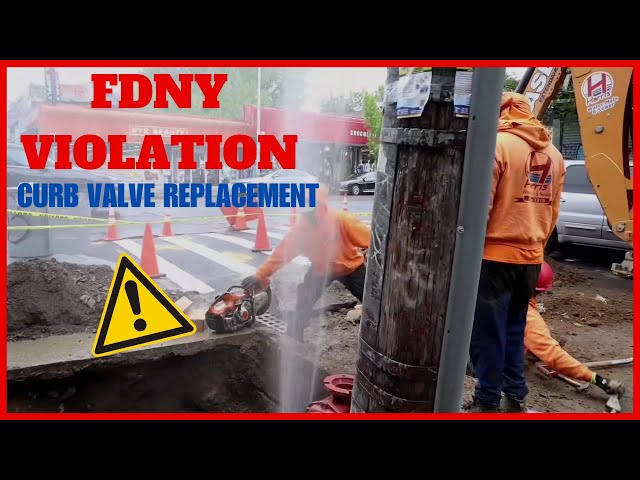

Introduction: The Notice That Catches Homeowners Off Guard
If you’ve ever received a NYC DEP 3 Day Notice, you know how quickly panic sets in. That official water notice taped to your door or mailed to your address means one thing: the Department of Environmental Protection found a leak on your service line, and you now have only three days to act.
We’ve helped countless New York homeowners through these violations. And here’s what we’ve learned: most people don’t know how to properly document or report issues before DEP gets involved. They ignore early warning signs, or they don’t have proof when the inspector shows up.
In this guide, we’ll walk you through how to document leaks, how to report issues, and how to stay ahead so that 3-day notices don’t catch you off guard.
What is a NYC DEP 3 Day Notice?
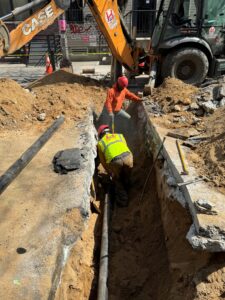
The city issues a NYC DEP 3 Day Notice when inspectors detect water escaping from your service line. Sometimes it’s visible, like water pooling near the curb. Other times, DEP uses equipment to confirm underground leaks.
The notice gives you 72 hours to begin repairs with a licensed contractor. Fail to act, and DEP hires its own crew, completes the repair, and bills you at twice the cost.
Why Documentation Matters
We had a homeowner in Brooklyn receive a 3-day notice even though the water they saw on the sidewalk was actually runoff from a neighbor’s sprinkler system. Because they hadn’t documented anything beforehand, they had no defence when DEP pinned the leak on their line.
Proper documentation protects you. Photos, inspection reports, and plumber notes can prove whether a leak is yours or not. They can also help you respond quickly when DEP asks for details.
Step 1: Watch for Early Signs of a Leak
Before DEP shows up, your water line often gives warnings. Here’s what to look for:
- Lower-than-usual water pressure in the house
- Puddles in the yard that don’t dry
- Constant sound of running water near the meter
- Small sinkholes or cracks are forming in sidewalks
If you catch these early, you can schedule water main repairs before a violation notice appears.
Step 2: Take Photos and Videos
The moment you see something unusual, a puddle, water bubbling on the curb, or cracks in the sidewalk, document it. Use your phone to take pictures and videos.
Make sure to capture:
- The location (street, curb, yard, meter)
- The date and time
- The condition before and after the rain
We’ve had clients show us photos that proved the leak was stormwater runoff, not a service line leak. Without that proof, DEP almost always assumes the homeowner’s line is at fault.
Step 3: Get a Professional Inspection
Licensed contractors can provide camera inspections or pressure tests. A report from a plumber carries weight when disputing a water notice.
We once worked with a homeowner who had been issued a 3-day notice, but our inspection revealed the leak came from a city-owned hydrant nearby. With documentation in hand, the homeowner was able to avoid thousands in unnecessary repair costs.
Step 4: Keep Written Records
Every phone call, every inspection, every repair, write it down. Note the date, the name of the DEP inspector (if given), and what was said.
When DEP returns to reinspect after a 3-day notice, you’ll want a paper trail showing you acted responsibly.
Step 5: Report Issues Promptly
If you suspect a leak, report it before DEP issues a violation. This shows good faith and can sometimes prevent a formal water notice.
Call 311 to report water pooling or suspected leaks. Then, call a licensed contractor immediately to investigate. Being proactive often makes the difference between a simple water service repair and an expensive violation.
Why Relying on DEP Alone is Risky
The city is quick to issue notices, but slow to explain details. Their inspectors are trained to find leaks, not to protect your wallet. Without your own documentation, you’re at their mercy.
We’ve seen homeowners pay for main water line repairs they didn’t actually need because they couldn’t prove otherwise. Proper documentation is your defence.
The Cost of Ignoring a Notice
If you don’t respond within three days, DEP brings in its own contractors. The water main leak repair cost under city control is always higher than a planned job. Add in potential fines and DOT restoration charges, and the final bill can be shocking.
We once saw a Manhattan homeowner pay nearly $30,000 for a broken water main repair handled by the city. The same work through a planned replacement would have been less than half.
Why Licensed Contractors Matter
Only licensed water line contractors can legally perform water line repair services in NYC. Hiring unlicensed workers not only fails DEP inspections but can also leave you with repeat violations.
At Harris Water Main & Sewer, we’ve been dealing with NYC DEP 3 Day Notices for four generations. We know the inspectors, we know the codes, and we know how to get violations cleared the first time.
Call Harris Water Main & Sewer for Trusted Help

If you’re facing a 3-day notice or think you might be close to one, call Harris Water Main & Sewer. We specialize in documentation, inspections, and repairs that pass DEP standards.
Our team will provide the photos, reports, and repairs you need to clear your violation and prevent future notices. Don’t wait until the city digs up your street; get ahead of the problem with the right documentation and the right team.
Disclaimer: This article is general and may not reflect NYC requirements. For NYC-specific guidance, contact Harris Water Main & Sewer Contractors.
Conclusion: Document, Report, and Stay Ahead
A NYC DEP 3 Day Notice doesn’t come out of nowhere. The signs are there. By documenting early, reporting promptly, and keeping records, you can protect yourself from unnecessary fines and inflated repair costs.
Don’t let DEP’s timeline control you. Take control by watching for leaks, documenting everything, and calling licensed experts who know how to handle violations.
Because when it comes to DEP, three days isn’t much time. But with the right preparation, you’ll never find yourself scrambling against the clock.