

Why Every Homeowner Should Replace Lead Pipes Now
New Yorkers ask one question when they hear about lead in drinking water. Do I have a lead service line, and what should I do about it today? If you own a 1 to 4-family home built before 1961, you may still have a legacy pipe feeding your house from the street.
This guide explains the risks, the 2025 rules, how to identify materials, how the work is done, who pays for what, and how to move from worry to a scheduled fix.
1) What is Lead It Is and Why It Matters
If the pipe from the street to your meter is made of lead, the risk is simple. Small amounts of metal can enter tap water, especially during construction, vibration, or changes in water chemistry. There is no safe level for children.
How to spot lead water service lines quickly
- Soft, dull gray metal that a key can scratch and reveal shiny silver
- Bulb-shaped joints near the curb stop or meter
- Older homes with original street-side piping and no documented swap to copper
2) What The New Lead Replacement Rules Require

Federal rules finalized in late 2024 tighten timelines for lead service line replacement. The direction is clear. Water systems must identify and get rid of legacy lines on a defined schedule with only narrow exceptions.
What this means for your household
- Expect more outreach, inventory checks, and construction on your block
- Plan so you can coordinate house entry points, meters, and shutoffs
3) Who Pays For What In NYC
In New York City, the pipe from the water main in the street to your building is typically your responsibility. That includes the segment under the sidewalk and roadway unless a specific program covers it. If you ask who is responsible for replacing lead water pipes, the short answer is the property owner, with program help where available.
Two fast steps
- Check your address on the NYC service line material map
- Ask your plumber to verify at the meter and at the curb stop
4) Programs That Can Lower Your Lead Service Line Cost
There are city initiatives that replace private lead or galvanized lines at eligible properties in targeted areas. Availability changes by location and funding cycle. If you qualify for a lead service line replacement program, you can save thousands and get new copper installed in your house.
What to do this week
- Check current NYC program pages for eligibility zones
- Keep utility account info and proof of ownership ready for screening
5) What The Lead Replacement Really Costs
Every site is different. Depth, length, sidewalks, stoops, and street restoration drive numbers. A narrow lot with a short run costs much less than a deep-set house that needs lane closures. When you ask about service line replacement cost, insist on a written scope that lists footage, depth, soil conditions, restoration, and before and after videos.
Smart estimating checklist
- Material type and diameter to be installed
- Compaction and bedding method
- Traffic control and restoration details if the street is opened
6) Why Coatings Are Not A Cure
Some products promise interior barriers, but they do not meet the current mandate for full legacy removal. The goal is to eliminate the source, not to cover it. Methods described as lining lead water pipes are not accepted as a substitute for the complete removal of a legacy service.
Safer, durable approach
- Full swap to copper with approved fittings
- Pressure testing and flush protocol before returning to service
7) How The Work Actually Happens
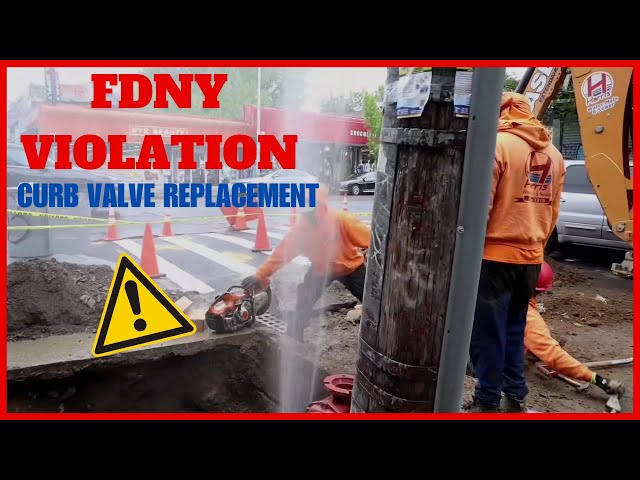
A modern team can do most jobs in a day with careful planning. Expect a small pit by the curb, controlled excavation, a new copper run pulled through, and a cautious tie-in at the meter. For clean results, ask for a documented lead water pipe replacement plan before work begins.
What your plan should show
- Entry location, curb pit, and route across the yard or areaway
- How the old line is disconnected and removed, or abandoned safely
8) Do Not Forget The Inside
Swapping the street side is step one. Old interior sections between the wall and the meter may also need attention, especially in basements with earlier repairs. When you replace water supply line segments inside, match materials, update valves, and label the main shutoff.
Small upgrades with big value
- New main valve and pressure test
- Clean, accessible meter setting with clearances for future work
9) Pick The Right Team for Lead Pipe Replacement with Copper
NYC work demands licensed, insured specialists who handle permits, inspections, and restoration without delay. Ask for references and videos from recent jobs on blocks like yours. When you hire for a contractor lead service scope, look for teams that can mobilize quickly and coordinate with DEP and DOT.
Questions to ask
- How many replacements did you complete in the last year
- Do you handle sidewalk flags and roadway plates in-house
10) Make A Realistic Schedule
Do not wait for a violation or a construction notice to start planning. A written lead service line replacement plan keeps everyone aligned on access, timing, and restoration. Good plans survive schedule shifts because utility mark-outs and traffic windows can change with the weather.
What a good timeline includes
- Inventory confirmation and camera where needed
- Materials on hand before the street opening date
- Clear restoration dates for sidewalks and paving
11) Avoid Partial Fixes
Partial swaps can spike lead levels because of disturbed scale and dissimilar metal contact. The safe route is a complete street-to-meter change. If a neighbor is replacing a water line on the same block, coordinate dates so both homes benefit from one traffic setup.
Coordination tips
- Ask your contractor to check adjacent addresses
- Combine mobilizations when possible to share traffic control costs
12) The Big Picture For Families
New funding helps, but the fastest way to protect your household is to schedule a full street-to-meter change now. Do not rely on filters alone for long periods. If your block is in a city program queue, get on the list and have your private side ready. When it is time for lead water line replacement, being prepared gets you to safe copper faster.
Two safety habits
- Flush taps after construction or long periods of non-use
- Use cold water for cooking and drinking until new plumbing is in place
NYC Homeowner Quick Checks
- Scratch test the pipe at the house side of the wall and at the curb stop
- Photograph and label your main shutoff and meter for future crews
- Keep records of inventory letters, test results, and videos
- Plan entry access on the scheduled day so crews do not lose time
Why NYC Homeowners Choose Harris Water Main and Sewers

You want a local team that does this work every week on real New York blocks. Harris Water Main and Sewers handles diagnostics, permits, excavation, copper installation, and clean restoration. We document conditions before we dig and show the finished result on video.
Disclaimer: This article is general and may not reflect NYC requirements. For NYC-specific guidance, contact Harris Water Main & Sewer Contractors.
Book Your Replacement Today
If you are ready to remove a legacy pipe, schedule a site visit now. Our specialists create a written plan, coordinate utility mark outs, and complete a street-to-meter change with minimal disruption. For fast lead water line replacement, request your appointment with us, so your home is protected and your family can trust the tap.