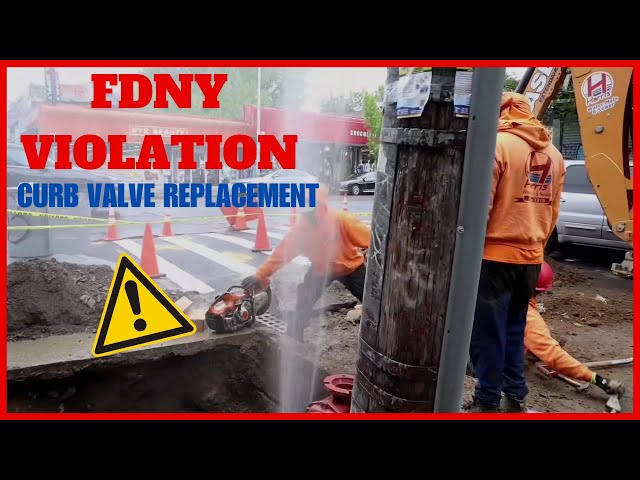


How Water Main Replacement Saves Homes From Ruin
Burst supply lines ruin floors, walls, and foundations in hours. That is why water main replacement is not a luxury. It is a shield against hidden corrosion, pressure shocks, and street work vibrations. Replacing before failure protects your basement, keeps insurance claims simple, and avoids emergency digs that cost more and take longer.
Pro teams start with a pressure test and a line locate. A camera checks for active leaks at joints and valves. If the line is undersized, corroded, or patched many times, replacement becomes the clean path forward. Planning now means your home stays dry during the next freeze, heat wave, or hydrant test.
What The Main Water Supply Line To the House Actually Does
Your main water supply line to the house connects the city main at the street to your meter and interior plumbing. It feeds every tap and appliance. Age, soil movement, and stray current can thin metal or split plastic. Even small pinholes waste water and raise bills, while larger cracks soak soil and undermine slabs.
Locating shutoffs and mapping the route are steps one. Marking the curb valve and meter makes future service faster. With a clear diagram, crews can pull a new line on a predictable path, limit digging, and protect landscaping and hardscape that add value to your property.
Early Warning Signs You May Already Have A Broken Water Line
Tiny leaks escalate quickly. Look for spiking bills, hissing near the meter, puddles in a yard with no rain, or damp floor edges. These are classic signs of a broken water line on the private side. Indoors, reduced pressure at several fixtures can also point to a supply issue outside the walls.
If you see water at the foundation or hear sudden gurgling after quiet hours, act now. A point repair might buy time, but if the pipe wall is thin in several spots, a planned replacement will be cheaper than a weekend flood and full restoration.
How Mains Water Replacement Protects Structures And Health
Planned mains water replacement stops the cycle of leaks, mould, and slab settlement. Dry foundations resist cracking. Dry basements keep indoor air safer. You also avoid sinkholes under walkways that form when water scours soil away from pipes and footings.
Replacement is also a chance to right-size the line for present-day use. Modern fixtures, multi-bath homes, and accessory units need a steady flow. Proper sizing reduces pressure drops, noisy pipes, and appliance wear, making the whole system calmer and longer lived.
Sizing And Routing The Main Water Line Into the House
A correctly sized main water line into the house keeps pressure stable when several fixtures run. Today’s codes and fixture counts often call for upsizing old lines. Crews calculate the needed diameter, measure static and dynamic pressure, and set a route that avoids tree roots and heavy vehicle loads.
Routing matters as much as material. Straight runs with proper bedding reduce future stress. Where bends are needed, gentle sweeps protect the flow. Documenting depth and location helps avoid damage during future landscaping or utility work.
Replacing Water Main The Right Way In NYC Conditions
Street work and tight setbacks demand experience. Replacing a water main usually involves a curb pit, a careful pull of new copper or approved plastic, pressure testing, and a clean tie-in at the meter. Traffic control, permits, and restoration are scheduled to minimize disruption on your block.
Before crews backfill, they record a test and verify meter readings. The job closes with restored paving or sidewalk flags. You get records that prove the new line’s size, depth, material, and pressure, which helps for resale and insurance.
Replacing Water Line From Street To House With Minimal Digging
With the right access, replacing the water line from the street to the house can be done with a single curb excavation and a small interior entry point. Pulling methods reduce yard disturbance and keep driveways intact. When soils are unstable or crowded with other utilities, open-cut sections may still be safer.
Either way, the aim is a straight, stable path. Crews compact bedding in lifts and shield the line from sharp rubble. That construction discipline prevents point loads that can bruise soft materials or crack rigid ones in the years ahead.
Coordinating Interior Work When Replacing Plumbing Pipes
Exterior upgrades work best with clean interior tie-ins. If valves or meters are old, replacing plumbing pipes inside a short distance pays off. New shutoffs make future service easy. Clear labelling and tidy mounting avoid confusion during emergencies.
If a remodel is planned, coordinate schedules to avoid repeat wall openings. A neat, code-compliant interior connection protects your investment and makes the whole system easier to live with day to day.
Understanding Estimates For Water Line To House Repair
Many homeowners compare quotes for water line to house repair against planned replacement. Repairs can be fine for isolated damage, but multiple thin spots or long corrosion make patching a false economy. Judge estimates by clarity, not just price.
Cost drivers to compare carefully
- Footage, depth, and material
- Traffic control and restoration scope
- Meter work, shutoffs, and pressure testing
- Documentation and warranty terms
When To Replace the Main Water Line Instead Of Patching
If leaks recur or pressure drops during normal use, it is time to replace the main water line instead of chasing holes. A full swap ends hidden waste, protects the structure, and removes the risk of a sudden failure at night or during travel.
Owners also prefer to upsize for new baths, sprinkler systems, or accessory units. Matching capacity to demand avoids noise, temperature swings, and appliance stress that come from an undersized supply.
What To Do When A Water Line Breaks In The House
A sudden rupture demands calm steps. If a water line breaks in the house, shut the main valve, kill power to wet zones if safe, and move valuables. Call your insurer and a licensed team for rapid control and a plan. After drying, reassess the whole line’s condition. One interior failure often points to exterior age.
A planned replacement after cleanup gives you predictability. You avoid more drywall work later and return the home to normal with confidence that supply issues are truly behind you.
Choosing Materials And Diameters For New Water Lines

Modern new water lines are sized for today’s fixture counts and pressure. Copper remains a durable standard. Approved plastics can fit certain soils and budgets. The right choice balances longevity, water quality, and local code.
Your contractor should test pressure, confirm fixture counts, and propose a diameter that holds pressure when several fixtures run. A correctly sized line means quieter mornings and happier appliances.
Planning Whole House Pipe Replacement When Needed
Some homes need more than a service line. Aging interiors may call for whole-house pipe replacement to stop pinhole leaks and rusty water. Repiping removes mixed legacy materials and odd fittings that cause pressure and taste issues.
If interior work is planned, sequence rooms to keep one bath active. Mark shuts off and protects finishes. Good crews, dust control, clean daily, and keep you functioning while the upgrade happens.
For Older Homes, Replacing Water Pipes In the House Pays Off
Heritage buildings gain most from replacing water pipes in the house where galvanized or mixed metals remain. New interior piping reduces discoloration, taste issues, and random drips that ruin plaster and floors. It also pairs perfectly with a fresh service line to give you end-to-end reliability.
If you are preparing to sell, clean plumbing reports and visible upgrades are confidence boosters. Buyers value documentation that proves the work is done right and will not surprise them later.
Quality Checklist Before You Sign
A strong scope puts you in control. Ask for drawings that show the route, depth, material, size, and tie-in details. Confirm permits, traffic plans, and restoration. Require pressure tests and final documentation that you can store with your home records.
Pre-job and closeout items to require
- Written route with measured footage and depth
- Material spec with fittings, valves, and meter work
- Traffic control and restoration dates in writing
- Pressure test, photos, and final documentation
Disclaimer: This article is general and may not reflect NYC requirements. For NYC-specific guidance, contact Harris Water Main & Sewer Contractors.
Book Your Replacement Today And Replace Water Pipes In the House With Confidence
Ready to act before leaks escalate. For a fixed scope, firm schedule, and professional cleanup, contact Harris Water Main and Sewers now. If you are planning to replace water pipes in your house, we will size the service, set the route, and deliver a durable upgrade that keeps your home dry and your mornings calm.