

The Most Overlooked Signs Of Water Line Trouble
Most problems start small. A faint smell, a slow drain, a damp seam near the curb. If you learn to spot these early, you can stop bigger damage. In NYC, owners are responsible for private lines, so fast action protects your home and budget. This guide explains simple clues and fixes, using real-world field habits that prevent sewer line damage from worsening.
Many failures begin quietly and then speed up after storms or heavy use. Watch the same spots, take photos a few days apart, and record what you observe. A small pattern is often the first proof you need to act before repairs grow costly.
What A Collapse Really Means
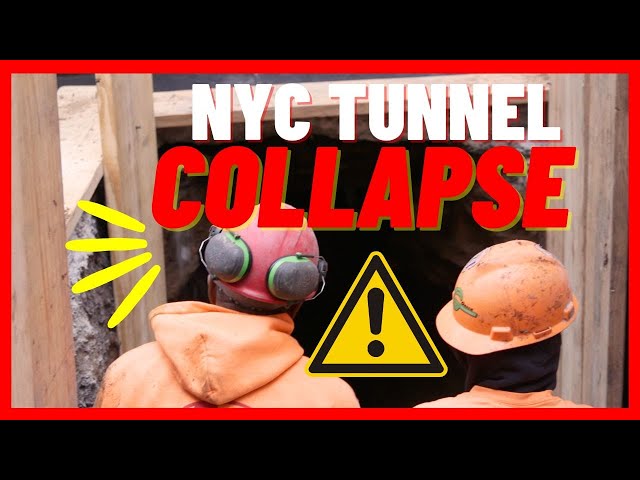
A sewer line collapse occurs when the pipe loses shape and can no longer carry waste. Flow slows, solids settle, and pressure backs up toward your lowest fixtures. Outside, the soil can wash away and leave a shallow dip that expands into a void.
Collapses often start with tiny leaks that carry fine soil away. Over time, the bedding under the pipe weakens, the barrel deforms, and the surface can sag. Catching this early keeps streets safe and repair scopes smaller.
Indoor Clues Most People Ignore
The first signs of broken sewer line issues are simple. Drains gurgle after showers, toilets feel weak, and a basement cleanout smells like sewer gas. One slow fixture can be normal. When several get slow together, it is a pattern.
Do not mask the smell with cleaners. Open a window, step back, and list which fixtures act up and when. A short note today can save you from guessing later.
- Gurgling after laundry cycles
- Slow sinks in more than one room
- Odor near the floor drains or the house trap
Similar Clues, Stronger Patterns
You may notice the same signs of a broken sewer line again after heavy use. A tub that drains slowly on weekdays but backs up on weekends is not random. It is the line telling you it is close to a blockage or deformation.
Keep a simple log. Note the time, fixture, and weather. Patterns help your contractor test the right way on the first visit.
Street And Curb Signs You Can See
Outside, a shallow wet seam on a dry day can point to a sewer line break. Tap the asphalt. A hollow sound near the curb or sidewalk suggests a small void under the surface. If a dip returns after a quick patch, soil is likely washing out below.
Report a deep hollow to the City so the area can be made safe. On your side, schedule a private inspection to confirm the source and plan the fix.
When The Problem Is Under Your Floor
A broken sewer line under the house is stressful because access is tight. Clues include a sour odor that does not fade, a warm or damp slab spot, and recurring slow drains near the same fixture.
The right plan starts with a distance-marked camera map. With a map, crews cut small squares, replace only the failed span, reset the slope, and restore the floor neatly.
Common Problems On NYC Blocks
Most sewer line problems we find are simple to name. A short belly near the curb. A shifted joint by a tree. A crushed clay section under a walkway. None of these improves by itself.
Each wash cycle, dish run, or storm adds stress. The longer you wait, the more the trench settles and the bigger the job becomes.
How A True Collapse Gets Fixed
A total failure needs open access. Collapsed sewer line repair removes the deformed span, restores slope, and compacts the trench in lifts. Cleanouts are added so future service is easy. A final camera pass confirms the fix.
If the pipe next to the repair is round and sound, lining can seal age cracks after shape and grade are corrected. The camera proves both.
Damage You Cannot See Right Away

A damaged sewer line does more than block flow. Seepage erodes bedding, undermines pavers, and tilts stoops. Over weeks, you may see a narrow depression along the route or leaning slabs. Take photos a few days apart to track change.
If the dip grows, act fast. Early repair is always cheaper than concrete work plus a second dig.
Keep Diagnosis Simple
People say they have “bad drains,” but most sewer line issues trace to three causes: wrong slope, a shifted joint, or a crushed span. A camera with distance marks will show which one you have in a few minutes.
Once you know the cause, the fix is simple to choose. Flow is not the only test. Shape and slope matter most.
Clues In The Yard And Landscape
Look for sewer line and landscape damage along the path. A green stripe in dry weeks, a soft patch near the curb, or yellowing grass over a buried route can all point to seepage.
Walk the route after rain. If the ground feels spongy or a small dip returns, schedule a camera survey before a void becomes a hazard.
Small Leaks That Turn Into Big Failures
A long sewer line leaking softens bedding and invites roots. Solids then sit in the low spot, and the sag grows into a crack and then a hole. The line may clear for a day and fail again soon after.
When slowdowns repeat, stop guessing and test. One video now beats two excavations later.
Signals That Mean Stop Using Water
Some broken sewer line symptoms need a pause. If flushing a toilet makes water rise in a floor drain, stop using fixtures and call. Pushing more water can drive waste into finished rooms and wall cavities.
Shut off what you can, take two photos, and keep people away from affected areas until the line is safe.
Collapse, Crack, And Other Terms You Will Hear
A collapsed sewer line means the wall caved in and lost its shape. A cracked sewer line represents the wall split, but still holds a round path. A belly or sag is a low spot that traps water. Knowing these terms helps you understand the video and the plan.
Do not be shy about asking for short clips and still shots. Good crews will show you everything.
Simple Checklist Before You Sign Off
- Watch the final camera pass from end to end
- Confirm a steady slope with no standing water at joints
- Verify new cleanouts are reachable and pass the camera
- Save the video, sketch, and photos in one folder
A clean file protects you with buyers, boards, and insurers.
Disclaimer: This article is general and may not reflect NYC requirements. For NYC-specific guidance, contact Harris Water Main & Sewer Contractors.
Who To Call And How We Help
For street hazards, use NYC 311 online so the City routes crews and logs your report. For your private line, work with a team that documents every step. Harris Water Main and Sewers will map the route, show the fault on camera, choose the right method, and record the final pass before backfill. You leave with proof and peace of mind.
If drains are slow or odors keep returning, do not wait. A small visit now is the cheapest repair you will ever buy.