

What To Know Before Starting Any Sewer Excavation
If a plumber tells you, “We will just dig and see what happens,” your alarm bells should go off. The good news is that you can ask a few smart questions before any work and avoid most ugly surprises.
We will keep the guide simple, share what matters before a sewer line excavation in New York, and help you feel confident instead of rushed.
1. Treat Sewer Line Excavation As A Big Decision
Opening the ground is always the last resort. When you approve sewer line excavation, you are paying for heavy equipment, traffic control, safety gear, and careful restoration, not just a length of pipe. That is why we push for a clear plan instead of guessing with a backhoe.
We tell homeowners to think about three things before they agree to dig: what the camera has shown, where the line runs, and how deep it is. Once you know those three details, the decision to open the ground stops feeling like a gamble.
2. Confirm You Actually Need Excavation Sewer Line Repair
Not every backup means the pipe is broken. Before anyone talks about excavation sewer line repair, there should be a working cleanout, a full-length camera video, and one good cleaning attempt. If no one has put a camera in the line, the job is not ready for a trench.
We have gone to homes where someone wanted to dig up the whole front yard, and the problem turned out to be a single heavy root near the house trap. A careful camera pass and a calm talk about options can save you thousands of dollars and a torn-up lawn.
To protect yourself before you dig, you can ask for three simple things:
- A clear video that shows the problem spot and the distance
- A drawing that marks the route, depth, and fittings
- A written scope that explains why excavation of the sewer line repair is needed
3. Call Before You Dig And Protect Hidden Utilities
Every sewer dig is also a utility dig. Before a bucket or shovel breaks the surface, someone must contact the mark-out service and wait for on-site paint and flags. This is not paperwork for its own sake. Hitting gas or electric during sewer excavation can close a whole block and put people in danger, which is why real sewer excavation contractors take it seriously.
As a homeowner, you can keep a notebook with dates, ticket numbers, and photos of the marks on the ground. When the crew arrives, you can point to the notes and ask them to walk the route with you so everybody agrees where it is safe to open the ground.
4. Choose Sewer Excavation Contractors With Proof
Price matters, but trust matters more. Before you sign, ask any bidder to show licenses, insurance, and photos of recent work. A good team will be proud to talk about tough jobs, deep cuts, and clean restorations they have completed. If a crew cannot describe how they kept people safe during their last major sewer excavation, they may not be the right fit for your home.
You can also ask how many days they expect the job to last, how they handle night work if needed, and who stays in touch with you during the dig. One clear contact who answers the phone is worth more than a low number on a vague estimate.
5. Plan The Route, Depth, And Pipe Excavation Details
Before any machines roll, the supervisor should walk the route from the house to the street with you. They should point out trees, driveways, stoops, fences, and flower beds, and explain which spots the crew will protect. The more specific the walk, the better the pipe excavation will go.
This is also the time to talk about depth. A shallow line is quicker and cheaper to reach than a deep one that crosses under other utilities. Good planning avoids surprises when the trench reaches full depth and keeps noise and dust to the shortest possible window during sewer line excavation.
6. Understand Yard Versus Street Sewer Line Excavation Rules
Digging in a yard and digging in a street are very different jobs. In the yard, the focus is on maintaining stable soil, protecting nearby structures, and restoring your landscaping. Once the crew moves to the curb and roadway, there are strict rules on plates, lane closures, and working hours that govern any sewer line excavation in the public way.
You should know ahead of time where the public work starts and how long the street opening will stay active. Clear answers help you plan for parking, deliveries, and neighbors who may be affected for a day or two while the sewer excavation trench is open.
7. Keep Trenches Safe During Sewer Excavation
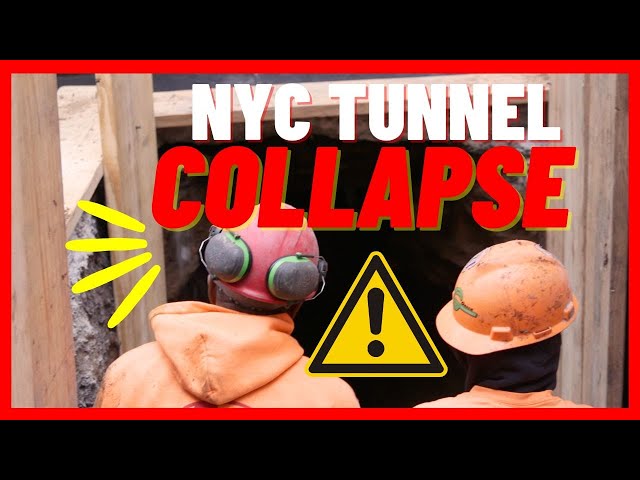
A deep hole is not the place for shortcuts. Shoring, sheeting, or trench boxes are used so workers are never in a trench that can cave in around them. Ladders, cones, and barriers around the sewer excavation protect kids, pets, and passersby from getting too close to danger.
When we supervise a dig, we watch for simple rules like never working in a trench without a safe way out, never leaving open cuts unprotected overnight, and allowing heavy equipment to sit too close to the edge. You do not need to know every code, but you should feel that safety is a habit on your job, not an afterthought during sewer line excavation.
8. Get Backfill And Surface Restoration In Writing
What goes back into the trench matters as much as the new pipe itself. Good excavation sewer line repair includes clean bedding under the pipe, proper backfill, and compaction in layers so there are no future dips or sinkholes along the route.
Your written plan should spell out:
- What material will support the pipe at the bottom
- How the crew will compact the trench as they backfill
- When will sidewalks and roadway patches be made permanent
In the sidewalk or roadway, there should also be a clear promise about how long plates may be in place and who will remove them. Ask to see past photos of finished surfaces so you know what your block will look like when the sewer excavation work is done.
Disclaimer: This article is general and may not reflect NYC requirements. For NYC-specific guidance, contact Harris Water Main & Sewer Contractors.