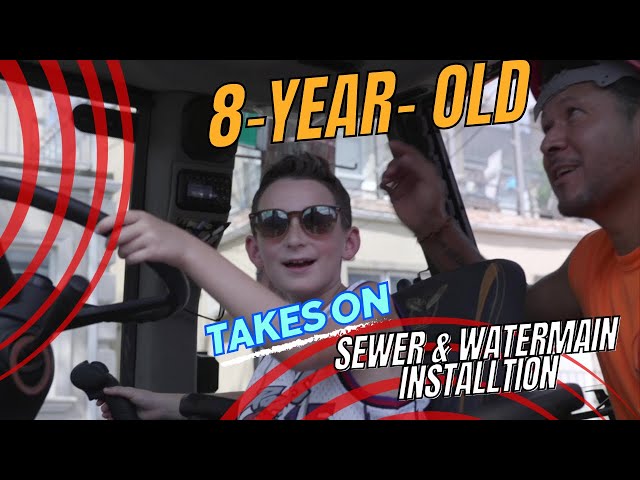

Installing water mains and sewers for new buildings in NYC is a common occurrence. The installation is pretty standardized for the most part, we follow plans and obtain inspections. From start to finish, we adhere to environmental and building regulations to make sure your system is safe, effective, and legally compliant. Our team handles sewer line install and pipework installation for residential and commercial projects across the boroughs.
Licensed professionals manage sewer and water line installation for safety, efficiency, and full code compliance from inspection to final trench backfill.
The sewer is usually installed at the drill-in connection on the city sewer. With this method, we link the property’s wastewater lines to the municipal sewer system by drilling into the existing sewer pipe and installing a connection point. The water main is usually installed from the wet connection valve on the city water main. This is a standard approach for any sewer and water line installation project in NYC.
Proper sewer line connection to house infrastructure ensures uninterrupted drainage, minimizing maintenance and protecting both private property and public sewer systems.
Both the water main and sewer pipes usually go straight from the utility, to inside the building. In most cases, both pipes enter inside the basement and at this point, the internal plumbing is completed. This standard procedure applies to all house sewer line or main sewer pipe installations in residential construction.
Understanding how to install a water pipe or house sewer line helps homeowners plan upgrades or troubleshoot plumbing issues related to buried infrastructure.
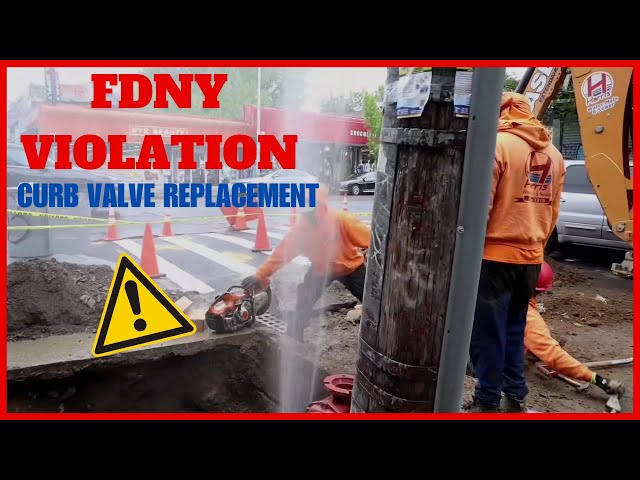
The sprinkler main or combined water main requires a curb valve below the sidewalk just in case the fire department is required to stop water from entering the street. The fire department or city water department workers may use the curb valve to shut off the water supply for maintenance or emergency interventions without needing to access the building’s interior. This setup is key in sewer main installation or drain line installation near sidewalks and curbs.
Installing a mainline curb valve enables external shutoff during emergencies, a critical safety measure in urban sewer main installation projects.
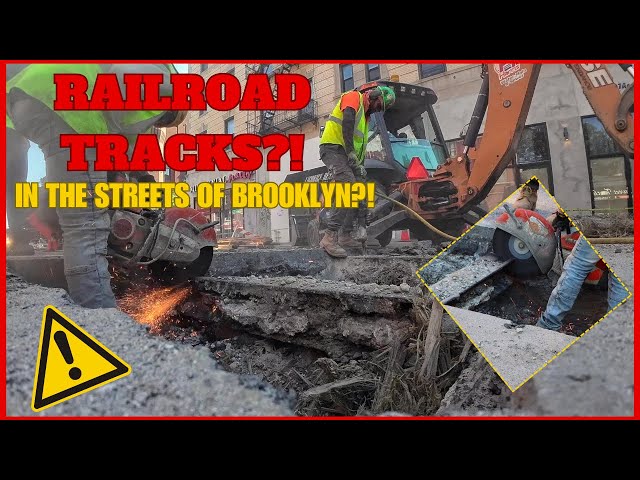
When excavating for the sewer or water main we may encounter problems below ground. Some of these problems include underground utilities, bedrock, or groundwater. These three scenarios are not common, however, it is possible to encounter the unexpected. In all underground sewer pipe jobs, we plan for contingencies.
New sewer line installation must account for soil types, water tables, and utility maps to prevent delays or damage to surrounding infrastructure.
Excavating underground utilities presents significant challenges due to the likely dense network of pipes, cables, and infrastructure. Damaging these utilities can lead to costly repairs, service disruptions, or injury when striking gas lines or electrical cables. Licensed plumbers with hands-on experience can navigate this easily with specialized equipment and techniques for safe sewer pipe installation.
Damaged utilities during install sewer line work can be dangerous—our team uses detection tools and safety systems to dig confidently in urban zones.
Excavating bedrock, the solid rock layer beneath soil or loose materials, poses a formidable challenge due to its extreme hardness and density. This natural material requires specialized heavy machinery to break it apart, making the process time-consuming and labor-intensive. Professional plumbers can overcome these difficulties by conducting geological surveys and choosing the best methods for sewer pipe liner installation or rerouting. This is crucial in installation of pipe work near high-density developments.
Drilling into bedrock during sewer manhole installation or sewer pipeline laying requires advanced excavation techniques to reduce risk and stay on schedule.
Uncontrolled groundwater can lead to flooding of the excavation site, undermining the structural integrity of the trench and posing a risk of sewer pipe contamination or collapse. Plumbers can use various methods such as sump pumps or trench drains to manage these conditions during new sewer line installation. We reinforce trench walls with shoring and seal all installed household sewage pipes to ensure durability.
Managing groundwater during drain line installation protects trench safety and pipe sealing integrity, especially for deep house sewage pipe connections.
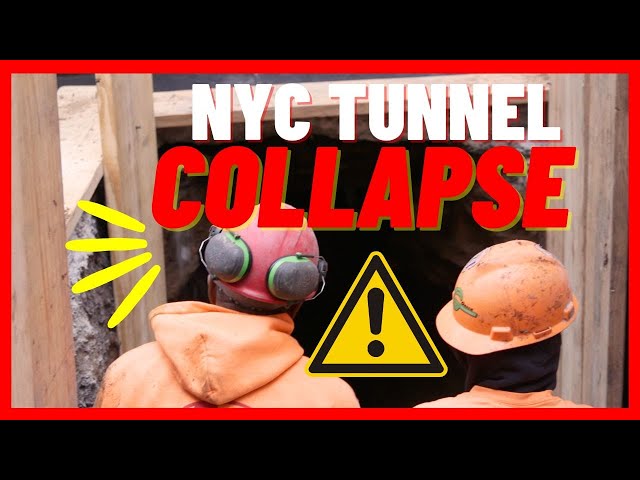
On this particular project in Brooklyn, we came across a hidden room below the sidewalk, nobody was aware it existed! We started to excavate the sidewalk and saw a hollow space below. At first, we thought it was a small sinkhole that must have occurred over the years. As we continued to excavate, we found an old room that was larger than a 15’x10′ room! This is not something we come across often and were required to go back to the drawing board. A rare situation, even for seasoned sewer line pipe experts.
Sewer drain line projects in urban areas often uncover forgotten voids or structural anomalies—be prepared for the unexpected during any pipe installation.
Thankfully for Team Harris, we had one of our most seasoned teams on the installation and they were able to complete the job with only a minor delay. Ensure durable and efficient sewer line installation by hiring licensed and experienced plumbing contractors. We will keep your project on track and minimize delays with top-quality workmanship just as we have for thousands of other pipe installation projects throughout New York.
Looking for reliable professionals to install drain pipes or connect sewage drain pipes? Harris gets the job done—accurate, on time, and up to code.