
Why Sewer Line Replacement Needs Camera Verification
When a sewer line fails, it is tempting to dig, replace the pipe, and close the trench. In NYC, that shortcut leads to repeat clogs, dips in the sidewalk, or a second repair. A simple step prevents all that. Do a sewer line camera inspection before and after the work. The video proves the line is truly fixed, not just flowing for the moment.
Camera proof is not about fancy tech. It is about seeing the pipe’s shape, slope, and joints. Crews use a camera for plumbing lines to find bellies, offsets, and root stubs that a quick flush will hide. Once you can see the problem, you choose the right fix and close the job with confidence.
What Camera Verification Actually Proves
A camera inspection of the sewer line shows what your eyes cannot see from the surface. It confirms the grade, checks that the fittings are aligned, and reveals any leftover debris that will catch wipes later. You are not guessing. You are looking at the evidence in real time.
After a replacement, a second pass catches common misses. A tight bend with a lip. A joint that shifted during backfill. A small puddle where the slope is a touch flat. These details are why NYC projects that verify with sewer line camera inspections have fewer callbacks and cleaner restorations.
When To Use A Camera Before You Replace
Use video whenever you plan to inspect sewer line sections that have repeated clogs, odors, or backups after storms. First, clean the line so the camera can see. Then map the full route with footage markers and note where problems start and stop.
A pre-work video lets you choose the method that fits. If the pipe is round and only cracked, lining can seal it. If there is a sharp offset or a long belly, a short open-cut replacement is smarter. This is why a camera inspection sewer line often saves money. It steers you away from the wrong fix.
How A Proper NYC Camera Pass Is Done
A good camera inspection sewer workflow is simple. Start at a cleanout or the house trap. Record continuous video with distance on screen. Call out each fitting, material change, and branch. If the line is dirty, jet and run the camera again so the wall is clear.
For serious digs or long laterals, it helps to pair the video with a basic sketch and depth notes. That map turns into your as-built record after the repair. It also makes the next underground sewer inspection faster if you ever need one.
What to expect in your file
- Video with distance overlay and start-to-finish route
- Simple drawing with depth notes and cleanout locations
- A short list of defects and the plan to correct them
Catch Hidden Problems That Cause Repeat Digs
Many repeat failures looked fine on the first day back. A camera in a sewer pipe shows the truth. Offsets leave a small step that snags paper. The oval pipe narrows the channel. A stubby root stays just outside a joint and grows back in spring. If you do not see these, you will be calling again.
Camera proof also protects the sidewalk and roadway. If the grade is wrong, water can sit, soften bedding, and start settling. Correcting the slope before you backfill stops a shallow dip from becoming a cave-in. This is why we run a camera sewer line pass right before restoration.
After Replacement: Prove Shape, Slope, And Access
When the new pipe is in, a sewer pipe camera inspection confirms the fix. The video should show a smooth barrel, steady fall, and clean transitions at every coupling. If you added a cleanout, the camera should travel through it easily. If water pools even a little, adjust before the trench closes.
That final clip becomes part of your closeout packet. It is the easiest way to prove the job meets NYC expectations and that future cleaning can be done through the access points. A clean pass on camera inspection sewer line today prevents arguments tomorrow.
Documents You Should Receive At Closeout
Good files make life easier for owners, buyers, and insurers. Ask for a short list at the end of any job. The packet does not have to be fancy. It just has to be complete.
- Pre-work and post-work videos from a sewer lateral camera
- A marked sketch with depths, fittings, and cleanouts
- Materials and coupling types used in the repair
- Backfill and compaction notes, plus restoration photos
If your building board or a future buyer asks for proof, you can share the sewer drain camera inspection clips and the one-page summary without digging up old emails.
Common NYC Mistakes When Crews Skip The Camera
The most common mistake is lining up across the belly. Lining follows the shape you already have. If the run sags, a liner locks the wrong slope in place. The second is a coupling set slightly off center. It will pass water, but it leaves a lip. A few weeks later, wipes and grease catch at that edge. A simple drain line camera inspection would have caught both issues.
Another mistake is closing a trench without checking the tie-in at the main. If the branch enters the hub at a bad angle, flow can swirl and leave residue. One quick pass with the camera sewer line gear would show the issue and save a second permit.
Water Service Context And Why Video Still Helps
This article is about sewers, but a water line camera inspection can help in mixed jobs where sewer and water run together, and you need to confirm clearances. We still map the sewer first, then plan the water route so fittings do not fight for space. Clean planning avoids utility conflicts and reschedules.
On bigger projects, video also supports permit closeouts and keeps your records tidy. A simple folder with clips, notes, and photos is the quickest way to answer questions months later.
Simple Checklist Before You Sign Off
Use this quick list at the end of any sewer replacement.
- Watch the post-work camera in the sewer line inspection from end to end
- Confirm a steady slope and no standing water at any joint
- Check that the new cleanouts are reachable and pass the camera
- Save the video, sketch, and photos in one folder for future use
If any part is missing or unclear, ask for a second pass. It is quicker to adjust now than to open the street again next month.
Disclaimer: This article is general and may not reflect NYC requirements. For NYC-specific guidance, contact Harris Water Main & Sewer Contractors.
How We Help in Camera Verification for Sewer Line Replacement Needs
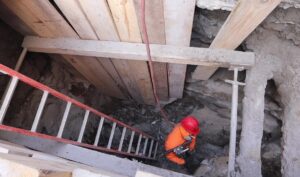
If you want a clear plan and proof in hand, work with a team that documents everything. Harris Water Main and Sewers will map the route, show you the fault on video, choose the method that fits, and record the final pass before backfill. You get the clips, notes, and photos so you can move on without worry.