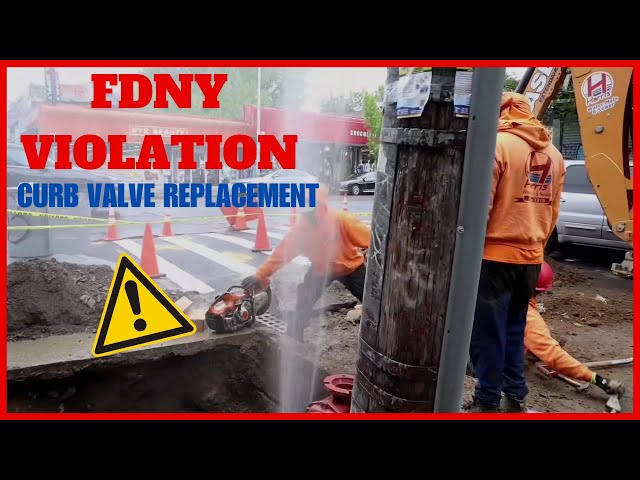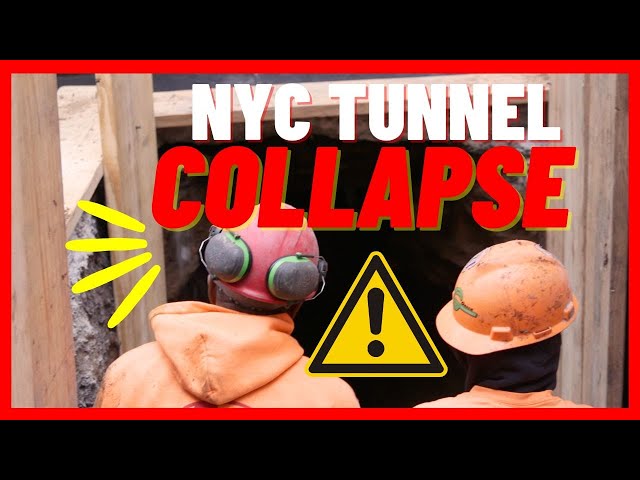


Water main replacements are important investments that provide a safe and reliable water supply to businesses and homeowners. As we continue to look into the future, we see that the cost dynamics continue to change each year. The average mains water pipe replacement cost can fluctuate significantly year over year, depending on location, materials, and labor availability in your area. It is important to understand all of the factors that may have an impact on your water main replacement.
What Impacts Your Water Main Replacement?
- Material Costs: The cost of materials like copper and ductile iron varies based on the market, availability constraints, and the potential tariff implications. Material selection directly impacts lead pipe replacement cost, especially in cities like NYC, where copper and ductile iron are standard for underground installations. It is important to understand that the cost of materials tends to rise on an annual basis.
- Labor Costs: Skilled labor for excavation and sub-surface water main and sewer installations significantly impacts the overall cost. Labor costs vary depending on the specific roles involved, such as:
- a. Backhoe Operator: Operates heavy machinery for trenching, excavation, and loading of debris.
- b. Technician: Specializes in the installation of water mains and sewer lines
- c. Laborer: Assist with manual tasks, including digging, trenching, making tunnels, and handling materials.
- d. Flagman: Manages traffic and ensures safety around work zones.
- e. Truck Driver: responsible for transporting equipment, debris, and material from one site to the next.
Each of these roles contributes to the labor component of the project’s cost, reflecting their specific skills towards each part of the project.
- Scope of Work: Variables such as linear footage, depth, diameter of the water main, and overall complexity will impact the total price. More extensive work significantly increases water service line replacement cost, especially when dealing with deeper trenches or longer piping distances.
- Regulatory Compliance: Adherence to all of the required DEP & DOT regulations will add administrative costs to the project. Regulatory needs can also affect how much to replace lead pipes, with mandatory inspections, permits, and city-specific safety protocols increasing the total cost.
Cost Breakdown by Material Type
- Copper: When working below ground in NYC, K-grade copper is the only allowable copper to be installed per the plumbing code. Over recent years, the cost of copper has continued to rise by 10%-25% each year. This has led many homeowners to ask how much it costs to replace lead pipes when only copper is allowed underground in places like NYC. K copper pipe can be used for all installations up to 2”. Any pipe larger than 2” will require ductile iron to be used for the installation.
- Ductile Iron: Its high durability and resistance to corrosion make it suitable for underground installations. The pipes maintain their structural integrity over time, reducing the possibility of leaks or failures when compared to other materials. Although ductile iron increases the cost to replace the water line upfront, it offers greater long-term savings due to fewer future repairs. Ductile is known to be more expensive than materials used in other states, but the lifespan requirements usually make it a more cost-effective option.
Lead Water Main Replacement: What Are the Health Risks and Costs

Replacing lead water mains with copper is more time sensitive than ever, as we continue to learn about the health risks associated with lead water mains. The lead water main replacement urgency has increased with rising awareness of lead exposure risks, especially in older homes and schools.
- Health Concerns: Exposure to lead water mains can lead to severe health issues, most commonly affecting children and pregnant women. Due to these risks, lead pipe replacement cost is considered worthwhile to protect long-term health and water quality.
- While NYC does not currently offer financial incentives, most owners are motivated by the removal of lead in their drinking water. Even without financial help, many choose to bear the cost to replace lead pipes in homes for peace of mind and family safety.
- Public Awareness & Legislation: Increased awareness of lead’s impact has resulted in legislative action and other initiatives promoting the replacement of lead service lines. Recently, in NYC, the DEP is issuing warning notices for lead water mains to be replaced with copper. These efforts are often linked to local lead pipe replacement program pushes that guide residents toward safer piping options.
- Financial Incentives: A few years ago, there was a pilot program for people in need of financial assistance. As of recent, we were told that the program no longer exists, and they are not sure if it is coming back in the future. With financial aid no longer guaranteed, homeowners must calculate the full lead service line replacement cost before committing to upgrades.
Project Costs in 2025–2026
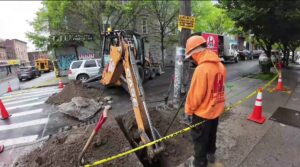
The typical cost of installing a water main on a quiet side street in the outer boroughs ranges from $6,000 to $10,000. This cost varies depending on factors such as pipe size, total length of the installation, difficulty of the installation process, and potential obstructions. The water service line replacement cost can rise significantly in dense urban zones like Manhattan, where excavation complexity and permit requirements increase project duration. In Manhattan, the installation cost tends to be considerably higher due to the complexity of working below the city streets.
Several other cost factors can have an impact on the price of your water main installation. For instance, if a water main tap connection or wet connection is necessary, this typically will add to the cost of a water main installation. In many cases, this raises the total lead service line replacement cost due to extra permit fees, labor hours, and DEP coordination requirements. In most cases, it will entail additional days on site, permit costs, materials, and labor hours. In addition, larger-sized pipes will incur higher material costs and require more time for installation. The cost to replace a lead service line rises with pipe diameter, as thicker ductile iron or copper requires more time, machinery, and skilled technicians. The larger the pipe size, the more costly the installation.
It is important to note that the domestic water line of 2” or less does not require on-site inspections by the Department of Environmental Protection (DEP). Instead, licensed plumbers can self-certify these types of installations. However, any service feeding sprinkler heads or exceeding 3” necessitates an on-site inspection. This adds to the cost of replacing lead pipes due to mandatory street plate use, delayed inspections, and added excavation and restoration procedures. In such cases, the inspection often occurs on a separate day, requiring plumbers to use roadway plates to protect all street and sidewalk openings. They must also remove and later reinstate the excavated soil once the inspection is completed.
Recent Fire Sprinkler Main Installation – Manhattan
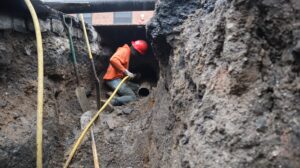
In Manhattan, the installation of a fire sprinkler main presents unique challenges and requirements. The installation calls for very specific details associated with safety compliance and all city regulations. For sprinkler-related upgrades, the cost to replace the water line can escalate quickly due to complex routing, wet connections, and DEP-controlled shutdown procedures.
Recently, in Union Square, a residential building was issued a DEP 3-day notice for what was believed to be their 2” domestic water main leaking. Upon excavation of the roadway, we were quick to determine that the domestic water main was not leaking, and the water leak was coming from another location.
We called a DEP supervisor to investigate, and he quickly agreed that the domestic water main was not leaking. After another hour of investigation, it was determined that the building’s fire sprinkler main was leaking and now had to be repaired on an emergency basis.
Due to the existing pipe material being made of galvanized pipe, repairing a section of the pipe was not an option. The entire lead pipe was required to be replaced with ductile iron pipe, from the city wet connection to inside the foundation wall with a new OS&Y valve. In such emergency cases, lead water main replacement becomes a regulatory urgency, especially when outdated materials like galvanized or lead joints are discovered.
Once the excavation process for the new sprinkler main had begun, we became aware that the existing wet connection was lead-jointed. This means that the old pipe was connected with hot lead to seal the joints, another ancient practice that is no longer allowable by DEP. Modern lead pipe replacement program standards prohibit such connections, requiring full replacements to ductile iron or copper for DEP approval. Now, the wet connection was required to be replaced, which became another project on its own. The only way to replace a wet connection is to have the DEP close the valves on the city main so the connection can be removed and the new connection can be installed. Both the shutdown and the new wet connection installation were completed by the DEP. The licensed plumber is required to do all of the excavation, preparation of the city main for the new wet connection, and be present on site for all of their work.
Once the new connection is installed, the ductile iron piping installation continues as usual. The DEP inspections unit was scheduled to meet our crew and inspect all of the new pipe, wet connection, curb valve, and OS&Y valve inside the building. The next step includes backfilling the roadway excavations with dirt before we can schedule a cement truck to install a concrete roadway base. These final steps contribute to the overall lead pipe replacement cost, which includes concrete curing, asphalt layering, and post-inspection restoration.
Now that the concrete base has cured, our in-house paving crew will complete the installation of hot asphalt as part of the final wearing course and completion of our installation!
Disclaimer: This article is general and may not reflect NYC requirements. For NYC-specific guidance, contact Harris Water Main & Sewer Contractors.
Conclusion
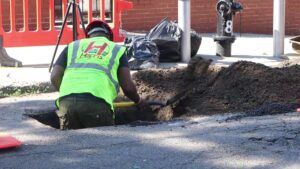
Investing in a water main replacement, especially lead water main replacements, is not only a regulatory requirement in many states but also an important step towards ensuring public health. Knowing how much to replace lead pipes helps homeowners make informed decisions that protect families while complying with DEP and health regulations. Understanding water main installation costs is important for homeowners, businesses, and tenants.
From outer boroughs to central Manhattan, the cost to replace lead pipes in homes or commercial buildings depends on pipe size, materials, depth, and inspection complexity.
For more information on how Harris Water Main & Sewer Contractors can assist with your water main replacement, please feel free to contact our office and schedule a free estimate.