

What Happens When Sewer Pipes Collapse Underground
When a sewer pipe fails below ground, wastewater slows, soil washes away, and the surface can sag or cave in. In NYC, private service lines are the owner’s responsibility from your building to the city main, so quick action matters. That is why spotting sewer line damage early can save time and money.
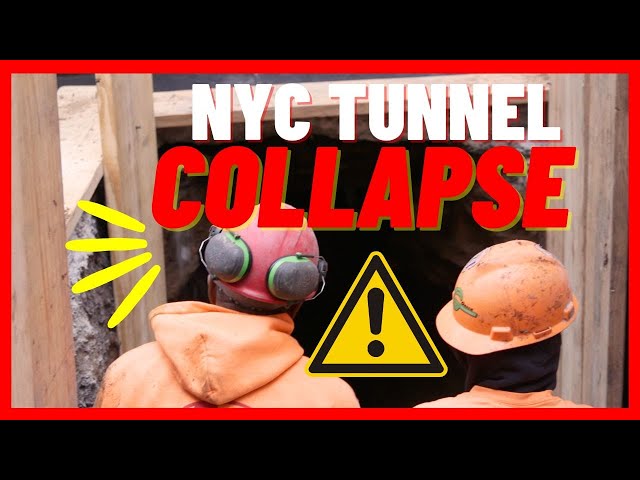
Collapses often start quietly. A crack leaks, soil moves, and the pipe loses support until it deforms. NYC officially distinguishes deep cave-ins from shallow potholes and routes cave-ins to the right crews when residents report them. Using the right report category speeds help and reduces liability if a sewer line collapse undermines the street.
What A Collapse Is And Why It Starts
A collapse means the pipe wall loses shape and cannot carry flow. Age, roots, corrosion, and long-standing bellies are common triggers. Once the barrel caves, pressure backs up toward fixtures and seepage can erode subgrade under sidewalks or slabs. Those voids can become cave-ins if a sewer line break is left alone.
Weather swings and heavy traffic add stress. Small leaks wash fines from the trench. Surges during storms convert partial failures into full blocks. The result is progressive sewer line problems that do not fix themselves.
Everyday Signs You Can Trust Inside The Home
You do not need tools to catch early failure. Listen and look for the signs of broken sewer line trouble that repeat day after day. Drains gurgle after laundry. Sinks slowly across more than one room. A basement cleanout smells like sewer gas.
During heavy rain, partial failures show up as clogged sewer line symptoms. Water rises at the lowest drain, bubbles appear in a sink when a toilet flushes, or a shower backs up while machines run. These are simple household signals that the line is near a sewer line collapse point.
- Gurgling after showers or laundry
- Slow fixtures that spread from one area to many
- Odour near the floor drains or the house trap
Surface Clues Outside On The Curb And Sidewalk
Outdoors, look for repeat damp seams along the curb during dry weather. Tap the asphalt and check for hollow sounds. A shallow pothole is not the same as a cave-in. Report deep hollows with the proper city category so crews can stabilize the area and check for sewer line break activity under the surface.
If a dip returns after a quick patch, that often means soil is washing out below. Those repeating dips are classic signs of sewer line problems near the route.
The Slope A Healthy Line Needs
Gravity does the work. For small house laterals, practical fall is about one to two per cent. Too flat allows pooling. Too steep lets water outrun solids. A wrong slope creates a belly that weakens the wall over time and leads to a cracked sewer line or worse.
If you are wondering how much fall for the sewer line at your address, the precise check is a camera plus measurements. We verify the grade, note the footage, and decide if that segment needs a reset rather than just cleaning.
When The Problem Is Under Your Slab
A sewer line broken under the house is stressful because access is tight. Clues include a sour odour that does not go away, unexplained moisture or warmth along a slab path, and recurring slow drains near the same fixture. The fix starts with distance-marked CCTV to map the route and fittings before any cut.
With a clear map, small, targeted openings replace big demolition. Careful work restores slope, adds access, and reduces risk. That is the best path to repair the sewer line under the house without tearing up an entire floor.
NYC Pathways That Matter When Streets Are Affected
If you notice a deep hollow or surface drop, report a cave-in through the city’s tool so the right crews respond. Accurate reporting prevents growth of the void and limits sewer line and landscape damage near your frontage. For building backups, use the city’s backup reporting channel and keep your service request numbers for your records.
Two helpful references for residents:
- The city’s guidance for pothole and cave-in reporting
- The city’s guide for sewer backup steps
How Crews Fix A True Collapse And Prevent A Cave-In
A total failure needs replacement, not snaking. Collapsed sewer line repair means open access, removal of the deformed span, proper bedding and haunching, compaction in lifts, and timely permanent restoration. These are core practices that prevent voids from forming after the patch and stop a small cavity from growing.
If the nearby pipe is round and sound, the lining can seal age cracks. Do not line up across a belly or a sharp offset because a liner will lock the wrong shape in place. That is why fixing sewer line issues starts with measuring shape and slope before choosing a method.
- Replace deformed spans and reset grade
- Add reachable cleanouts for future maintenance
- Document depth, route, fittings, and compaction for your file
Damage You Do Not See At First
A damaged sewer line does more than block flow. Continuous seepage erodes bedding, undermines pavers, and tilts stoops. Over weeks, you may notice sewer line and landscape damage along the route. Take photos a few days apart. If the dip grows, call before a void forms in the sidewalk or street.
Small voids can also weaken the edge of a driveway apron. When vehicles pass, the slab can settle and crack. That is another reason to act fast on a sewer line leaking under front walks.
Small Leaks That Become Big Failures
A long, slow leak softens bedding and invites roots. Solids then settle in the low spot, and the sag becomes a crack, then a hole. These broken sewer line symptoms are easy to miss at first because the line sometimes clears after rain or a big flush. Repeating slowdowns are the giveaway.
If two or more fixtures slow down at the same time, schedule a camera inspection. A short video beats weeks of guessing and often prevents a larger sewer line collapse.
Choosing The Right Fix For The Fault
If the pipe is round and only cracked, a liner can seal it with minimal demolition. If there is a step or a sag, replace that span first, then consider lining adjacent sound sections. The goal is a smooth, steady channel with access for cleaning. That is the simplest way to avoid repeat sewer line issues and future service calls.
Remember to check sewer lines in house too. Old traps, long flat runs, or blocked vents can mimic an outside failure. Testing inside first prevents opening a yard or sidewalk for the wrong reason.
What A Total Failure Looks Like
A busted sewer line acts like a wall inside the pipe. Water stops and backs up fast. You may hear gurgling, then see water rise at the lowest drain. The street can also show a fresh sinkhole. This is the moment to stop using water and call for help. Accurate reporting and a clear plan protect your home and your block.
For complete blockages, do not force more flow. Forcing water can push waste into finished rooms and wall cavities and increase collapsed sewer line symptoms inside the home.
Disclaimer: This article is general and may not reflect NYC requirements. For NYC-specific guidance, contact Harris Water Main & Sewer Contractors.
Who To Call for Sewer Pipe Collapses And How We Help
For street defects or cave-ins, use the city’s reporting tool so the right crews can triage and assign. For your private line, call a licensed team that documents everything. Harris Water Main and Sewers will map the route, show the fault on camera, reset shape and slope where needed, add access, and restore correctly. You get photos, video, and notes for your records.
If drains are slow or odours keep returning, do not wait. A short camera check today can prevent a big dig tomorrow and keep your block safe from sewer line collapse events.