

NYC’s Hidden Timeline: Why Street Main Repairs Aren’t “Same-Day”
Cold nights, aging pipes, and busy streets make service timelines tricky. Many owners ask how long to fix a water main break when crews arrive. The truth is, the clock starts before a shovel hits pavement. Safety checks, utility mark-outs, and traffic plans take time. Knowing the steps helps you plan and stay calm during a stressful day.
Team first confirms the source. Surface pooling can come from sprinklers, sewers, or a private leak. Pressure readings and acoustic tests pinpoint the failure. If the leak is on the public side, the city leads. If the leak is on the private side, a licensed contractor coordinates with the city for access and restoration.
How Crews Identify The Failure And Contain It
Breaks begin with stress, corrosion, or joint movement. Understanding how a water main break happens helps explain the pace. A shift in the soil can pull a joint. A pressure spike can split a thin spot. Once the main fails, water erodes bedding and finds the surface, often far from the hole.
Locating the exact point is critical. Crews use listening devices, valves, and limited test pits. Shutting nearby valves reduces flow and prevents a wider washout. Only then can a safe excavation begin. Rushing this phase risks bigger pavement loss and longer closures.
The First Operational Steps Most People Never See
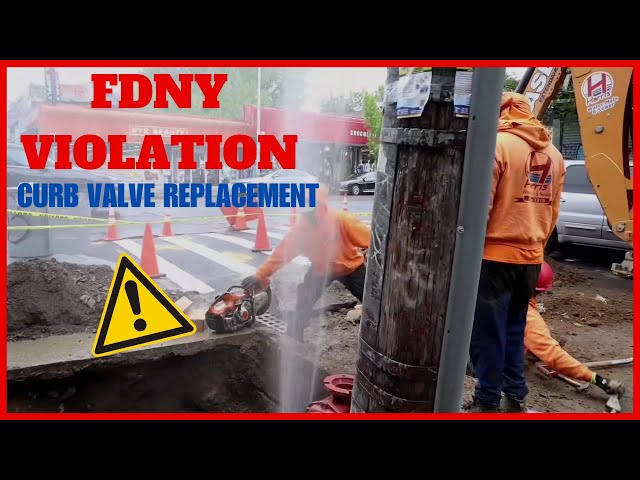
You might picture diggers and new pipe, but fixing a water main break starts with planning. Traffic, buses, schools, and hospitals change how a block can be closed. Work zones need barriers, plates, and lighting. Adjacent utilities must be protected so a repair does not become a multi-utility shutdown.
Inside the team, a supervisor assigns roles and orders parts. Pumps, shoring, and test equipment are staged. The dig location is measured from known points to keep the cut small. A careful start saves hours later and reduces the footprint on your street.
Early tasks that save time later
- Confirm failure point with acoustic and pressure checks
- Stage shoring, pumps, and barricades for a tight work zone
- Protect adjacent gas, power, and fiber with measured digs
Why “Repair Time” Includes Permits And Mark Outs
Even a simple water mains repair requires coordination. By law, underground utilities are marked before cutting pavement. On high-risk corridors, inspectors may require additional protection. If the failure threatens property, emergency authorizations speed things up, but safety steps still happen.
Markouts can reveal conflicts. A fiber duct or gas main near the leak can change the dig plan. That adds hand digging or more shoring. The time feels invisible from the sidewalk, yet it keeps crews and neighbors safe and avoids secondary outages that would delay everyone.
Causes And Site Factors That Stretch The Schedule
Owners often ask why water main breaks happen and why some repairs drag into the night. Cause and location matter. A split under a bus lane needs heavier plating. A joint failure beside a tree pit needs root protection. Saturated soil caves in if shoring is not perfect, which slows production.
Weather adds hours. Heavy rain fills the trench. Deep cold turns slurry into ice that slows compaction and patching. Night work windows are limited near hospitals or schools. Each constraint adds minutes that add up to a realistic, safe finish.
How Street Layout And Pipe Depth Change The Pace
Narrow streets, double-parked cars, and deep mains force more staging. The water main line pipe can sit 6 to 12 feet down on older avenues. Deep work needs benches and tight shoring. That means slower bucket cycles and careful spoil removal so sidewalks stay open and safe for pedestrians.
If traffic control requires lane shifts or bus reroutes, the team coordinates with local agencies. Those windows are real. Missing one can push hot work, patches, or concrete curing into the next shift. Planning beats speed when the street is shared with thousands of people.
Why An “Average Duration” Answer Is Hard
People search for how long water main breaks take to fix and hope for a single number. Urban work resists averages. A short clamp on a small split can finish fast. A long split with utility conflicts, deep elevation, or heavy flow takes significantly longer. Restoration rules then extend the overall timeline.
Clear communication helps. Good crews set expectations early and update neighbors if windows shift. If your block depends on an event or delivery schedule, share that detail. It helps teams plan plating and temporary access without rework.
Parts, Fittings, And The Reality Of Supply
The phrase water main break repair sounds simple, but fittings must match diameter, material, and joint type. Old lines may be non-standard. Crews sometimes need specialty sleeves, valves, or tapping equipment. If a depot trip is required, the job pauses, even if the trench is ready.
Good teams try to carry common sizes. Still, unusual mains or mixed materials add time. When crews discover a second weak spot after dewatering, the scope grows, and that is the right call. Fixing everything in the same window avoids a second closure and a second round of disruption.
Typical on-site components
- Clamps, sleeves, and couplings by exact diameter
- Temporary valves for controlled shutdowns
- Pumps, hoses, and test gauges for pressure checks
Street Restoration, Testing, And Why It Adds Hours
Homeowners compare with household repairs and ask how long it takes to fix a burst pipe indoors. Street work ends with compaction, temporary plates, or a hot mix patch, depending on rules. Testing the line for pressure and leaks is non-negotiable. Rushing this step risks a second failure under new pavement.
Inspection sign-off and proper backfill make future sinking less likely. If patch plants close for the night, plating may remain until the next shift. It looks like a delay, but it avoids soft patches that rut under traffic. The aim is one durable restoration.
Private Side Work Follows Its Own Rules
City and private responsibilities meet at your curb valve or property line. If you need the main water line for a house repair, the process adds meter work, indoor shutoffs, and coordination with your household schedule. The trench may be smaller, but access and interior tie-ins still take time.
Contractors plan around tenants, pets, and deliveries. They document pressure before and after. If old valves fail during shutdown, replacements enter the scope. Clear plans prevent surprises and make your day predictable even when the street is active.
What To Do When A Leak Is Inside Your Home
A supply break inside is chaotic. If your water line broke in the house, close the main, protect power, and move valuables. Call your insurer and a licensed crew. Interior drying, wall opening, and cleanup add days. Once safe, assess the service line. One interior failure often signals an exterior line near the end of its life.
A measured plan beats random patches. If pressure or material is marginal, plan a replacement window. That choice removes the risk of a second interior flood the week after your drywall repair.
Disclaimer: This article is general and may not reflect NYC requirements. For NYC-specific guidance, contact Harris Water Main & Sewer Contractors.
Book Service Now And Keep Your Block Moving
Ready to avoid repeat shutdowns and slow repairs. For a fixed scope, safe staging, and proven restoration, contact Harris Water Main and Sewers today. If you need to repair the water line to the house, we will size the service, set the schedule, and complete the work with the documentation you need for peace of mind.